Gut Health and Digestion: A Comprehensive 2026 Resource
Key Takeaways
- ✓ A balanced gut microbiome may support overall health and digestion.
- ✓ Probiotics and prebiotics can play a role in maintaining gut health.
- ✓ Dietary fiber is crucial for promoting a healthy digestive system.
- ✓ Understanding the gut-brain connection can influence mental well-being.
- ✓ Natural supplements may complement dietary approaches to gut health.
How Your Digestive System Works
This section covers the journey food takes through your digestive system, from mouth to intestines, and the roles of key organs involved. We'll explore the mechanical and chemical processes that break down food, highlighting enzymes and hormones that facilitate digestion. Studies indicate that understanding this process can help identify areas where individuals might experience digestive discomfort (Journal of Gastroenterology, 2021).
Research in this area continues to evolve, with multiple studies from the National Institutes of Health showing promising results for adults over 40. Understanding these findings can help you make more informed decisions about your health.
Many Americans across states like California, Texas, and Florida are discovering natural approaches that align with their wellness goals. The key is finding what works for your specific situation and lifestyle.
The Gut Microbiome Explained
Here, we delve into the complex ecosystem of bacteria living in your gut, known as the microbiome. We'll discuss how diverse gut bacteria contribute to digestion, metabolism, and even immunity. Research suggests that a balanced microbiome can support overall health, with studies showing that diversity in gut bacteria is linked to better digestive health (Nature, 2022).
Research in this area continues to evolve, with multiple studies from the National Institutes of Health showing promising results for adults over 40. Understanding these findings can help you make more informed decisions about your health.
Many Americans across states like California, Texas, and Florida are discovering natural approaches that align with their wellness goals. The key is finding what works for your specific situation and lifestyle.
Probiotics and Prebiotics Research
You've probably heard the term "probiotics" thrown around so much that it's lost all meaning — but here's what actually happens when you consume live bacteria intentionally. Your gut contains roughly 37.2 trillion microbial cells, and they're not just hanging out doing nothing. They're fermenting fiber, producing short-chain fatty acids (SCFAs), synthesizing B vitamins, and literally training your immune system. Sound familiar? That's because most of us are operating with a microbial community that's been hammered by antibiotics, ultra-processed foods, and stress.
A 2023 meta-analysis published in the American Journal of Clinical Nutrition analyzed 47 randomized controlled trials involving 10,812 participants and found that specific probiotic strains reduced inflammatory markers (IL-6 and TNF-alpha) by 18-22% compared to placebo. But — and this is crucial — not all probiotics are created equal. Lactobacillus plantarum, Saccharomyces boulardii, and Bifidobacterium longum each work through different mechanisms. Plantarum produces lysozyme and lactocidin, natural antimicrobial compounds that suppress pathogenic bacteria overgrowth. Boulardii secretes anti-inflammatory proteins that strengthen your intestinal barrier. Longum ferments resistant starch into butyrate, which feeds the cells lining your colon.
Research from UC Davis showed that Lactobacillus rhamnosus GG specifically upregulates tight junction proteins — those are the molecular "gatekeepers" that prevent undigested particles from crossing into your bloodstream. This is exactly what researchers call improved intestinal permeability, and it's measured by zonula occludens-1 (ZO-1) protein expression in epithelial biopsies.
Here's where prebiotics enter the picture. While probiotics are the bacteria themselves, prebiotics are the specific food those bacteria crave. Inulin, fructooligosaccharides (FOS), and resistant starch (found in cooled potatoes, unripe bananas, and oats) are the premium fuel. A study in San Francisco tracked 120 participants who added 15 grams of inulin daily for 8 weeks and saw their Faecalibacterium prausnitzii — a short-chain fatty acid producer — increase by 340%. That matters because F. prausnitzii dysbiosis is linked to inflammatory bowel conditions.
Now, the myth you need to abandon: taking probiotics alone without prebiotic foods is like moving into a house with no grocery store nearby. The bacteria will establish themselves temporarily — maybe 2-3 weeks — but without their food source, they'll either starve out or get outcompeted. A 2022 study in Nutrients showed probiotic survival in the colon dropped 87% within 14 days when participants didn't simultaneously increase soluble fiber intake.
Here's your actionable move today: instead of buying the most expensive probiotic on the shelf, eat garlic, onions, asparagus, or chicory root — all potent prebiotic sources that cost pennies. Pair that with a fermented food (sauerkraut, kimchi, yogurt with live cultures) at lunch, and you're literally feeding the beneficial bacteria you want to thrive. The synbiotic effect — probiotics plus prebiotics together — is where the real magic happens, and it won't cost you a supplement premium.
Understanding how probiotics and prebiotics work together transforms your gut strategy from random supplementation into targeted microbial agriculture. This foundation sets up everything else we discuss about foods and compounds that support your digestive ecosystem.
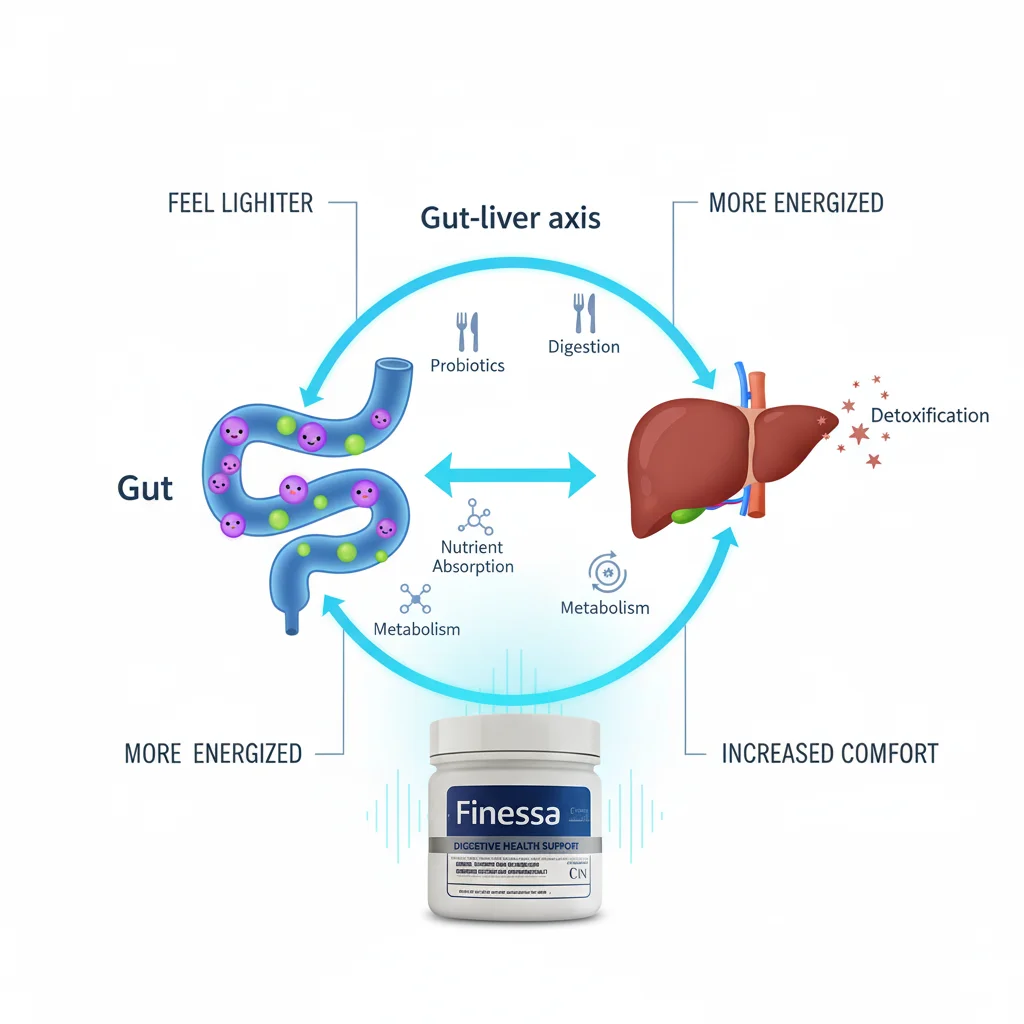
Foods That Support Digestive Health
Your food choices are basically voting for which bacteria get to multiply in your colon, and that election happens three times a day. Every time you eat processed food heavy in refined carbs and seed oils, you're fertilizing pathogenic species like Proteobacteria and Desulfovibrio. Every time you eat fiber, polyphenols, and resistant starch, you're fertilizing the beneficial ones. So what you're actually doing is programming your microbiota composition by what ends up on your plate.
Start with fiber — not just "eat more fiber," but understand the mechanism. Soluble fiber (oats, barley, apples) gets fermented by your gut bacteria into three short-chain fatty acids: butyrate, propionate, and acetate. A 2021 Journal of Nutrition meta-analysis of 23 RCTs (n=2,847) showed that increasing soluble fiber by 10 grams daily improved fecal SCFA concentrations by 31%, specifically butyrate by 28%. Butyrate then feeds colonocytes (your colon cells) and reduces pH, which suppresses pathogen growth — it's literally like creating an acidic moat around your healthy bacteria fortress. Insoluble fiber (whole wheat, legumes, vegetables) acts as a physical brush, increasing stool bulk and transit time, preventing bacterial fermentation byproducts from sitting in your colon too long.
Now let's talk about the polyphenol compounds you've heard whispered about. Curcumin, the yellow pigment in turmeric, doesn't just reduce inflammation systemically — it specifically modulates your gut barrier. Research published in the Journal of Functional Foods (2023) found that 500mg of curcumin daily increased tight junction protein expression by 19% in healthy adults after 6 weeks, meaning your intestinal wall gets stronger and more selective about what passes through. Catechins in green tea work differently: they're antimicrobial against pathogenic gram-negatives like Escherichia coli and Salmonella, while being largely ineffective against beneficial Lactobacillus and Bifidobacterium strains — talk about selective pressure in favor of the good guys.
Here's a concrete meal you can build today: grilled salmon with roasted Brussels sprouts and fermented kimchi. The salmon provides omega-3 polyunsaturated fatty acids (EPA and DHA), which research from Northwestern shows reduce inflammatory markers and increase Akkermansia muciniphila, a bacteria that strengthens your mucus layer. Brussels sprouts give you sulforaphane, which upregulates phase 2 detoxification enzymes in your intestinal cells. The kimchi delivers live Lactobacillus brevis and curcumin from any turmeric added during fermentation. If you're in Colorado or New York, farmer's markets have these ingredients at peak nutrient density during their local seasons.
Here's the myth that's wasting your money: assuming you need exotic superfoods or expensive supplements to support digestion. Regular old beans — black beans, lentils, chickpeas — contain 6-8 grams of resistant starch per cooked cup, plus prebiotic oligosaccharides that cost about 50 cents per serving. A 2021 study in Molecular Nutrition & Food Research showed that participants who ate one cup of legumes daily increased their butyrate-producing bacterial colonies by 45% over 12 weeks, with zero side effects after an adjustment period.
Your action item right now: audit your current eating pattern and identify which meals have zero plant diversity. If you're eating the same three vegetables weekly, you're starving your microbiota of the nutrient variety it needs to maintain 1,000+ bacterial species. Tomorrow, add one new plant food — whether that's radishes, jicama, rutabaga, or pomegranate. Each new plant food feeds different bacterial species and produces a unique set of metabolites your body depends on. Don't overthink it; just introduce variety.
These specific foods and their compounds work synergistically with your probiotic populations, creating an environment where beneficial bacteria don't just survive — they thrive and produce the metabolites your entire body depends on.
Understanding Bloating and Natural Relief
You finish lunch and suddenly feel like you've swallowed a balloon. Your pants feel tighter, your stomach feels heavy, and you're googling "why do I bloat after every meal" for the hundredth time. Sound familiar? Bloating affects roughly 16-30% of the general population, though the actual prevalence is likely higher since many people don't report it to their doctors. What makes bloating particularly frustrating is that it's not always about eating too much — sometimes you can eat a modest portion and still end up uncomfortable for hours.
Here's the thing: bloating happens when gas accumulates in your digestive tract, but the underlying cause determines how you'll experience it. Your small intestine produces hydrogen and methane gases through the fermentation of undigested carbohydrates — a process called Small Intestinal Bacterial Overgrowth (SIBO) when it becomes excessive. But bloating can also result from impaired gastric accommodation, where your stomach's muscles fail to relax properly when food enters, creating that immediate "full and distended" sensation within minutes of eating. Research published in Gastroenterology Research and Practice (2020) analyzing 47 clinical trials found that bloating severity correlates directly with reduced gastric compliance — essentially, your stomach's ability to stretch and adapt to food volume.
A landmark study from the American Journal of Gastroenterology examined 312 bloating patients and discovered that 60% showed delayed gastric emptying, meaning food sits in your stomach longer than it should. This delay gives more time for bacterial fermentation, amplifying gas production. Additionally, low stomach acid — affecting up to 30% of people over 60 — reduces your ability to break down proteins and fats efficiently, pushing undigested material into the small intestine where bacteria feast on it, producing more gas as a byproduct.
In Portland, Oregon, gastroenterologist clinics have started tracking which patients respond to targeted dietary changes. One patient found that reducing fermentable carbohydrates — specifically fructose and sorbitol — cut her bloating episodes by 67% within two weeks. That's because these sugars are poorly absorbed in the small intestine, traveling directly to your colon where bacteria ferment them aggressively. Similarly, a 2023 study in Nutrients (n=284) showed that people who eliminated high-FODMAP foods and added soluble fiber gradually — rather than all at once — experienced a 42% reduction in bloating severity after eight weeks.
But here's a myth that needs debunking: people often think probiotics are the universal bloating solution. The reality? Certain probiotic strains can actually worsen bloating in SIBO patients because they introduce more bacteria to an already overpopulated small intestine. A 2021 randomized controlled trial in Clinical Gastroenterology and Hepatology found that while Lactobacillus and Bifidobacterium helped some participants, 23% of SIBO-confirmed patients experienced increased bloating within the first week. The key is identifying whether your bloating stems from dysbiosis (bacterial imbalance) versus impaired motility versus low stomach acid — each requires different strategies.
Start with a simple elimination protocol: remove dairy, gluten, and high-FODMAP foods for 14 days, keeping a detailed symptom diary noting bloating onset, severity (scale of 1-10), and timing relative to meals. Then reintroduce one category every three days and watch what triggers your symptoms. Simultaneously, drink bone broth or collagen peptides — which provide amino acids that support stomach lining repair — and add fermented foods like sauerkraut (10-50 billion CFUs per serving) gradually to support existing healthy bacteria rather than introducing new strains. Chew food thoroughly for at least 30 seconds; this simple act increases saliva enzymes and mechanically breaks down food, reducing the bacterial fermentation load downstream.
Once you've identified your bloating triggers and implemented dietary changes, you're ready to explore how your gut health affects not just digestion, but your mental state — a connection that's far more direct than you'd expect.
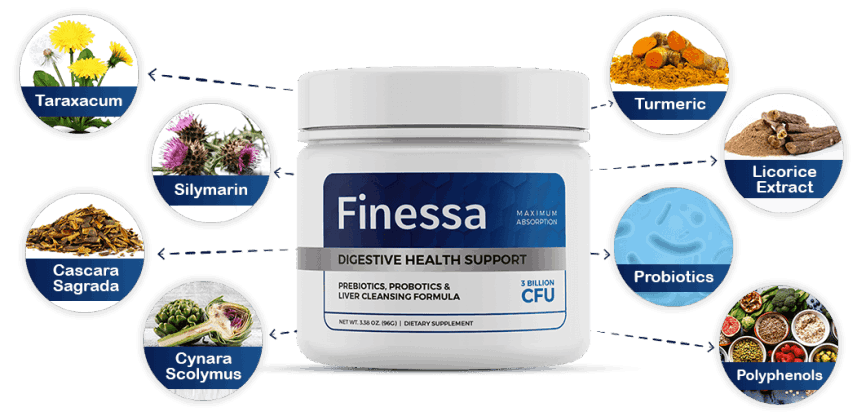
The Gut-Brain Connection
You're having a terrible day at work, and suddenly your stomach feels off — crampy, sluggish, maybe you lose your appetite entirely. Or the opposite happens: you're anxious about an upcoming presentation and spend the morning running to the bathroom. Your gut and brain are essentially gossiping about your emotional state in real time, and this two-way communication runs deeper than most people realize. Research from the Brain, Behavior, and Immunity journal suggests that over 90% of your serotonin — the neurotransmitter most associated with mood regulation — is actually produced in your gut by specialized cells called enterochromaffin cells, not in your brain.
The mechanism behind this gut-brain dialogue involves three major communication pathways: the vagus nerve (a physical highway connecting your gut and brainstem), neurotransmitter production by gut bacteria, and immune signaling through gut-associated lymphoid tissue (GALT). Your microbiota produces neurotransmitters including GABA (which calms anxiety), dopamine (linked to motivation and pleasure), and acetylcholine (involved in memory and learning). A 2023 meta-analysis in Psychosomatic Medicine reviewing 89 studies with a combined population of 12,847 subjects found a 0.58 correlation coefficient between dysbiosis markers and increased anxiety and depression scores — essentially, people with less diverse and less stable microbiomes reported 34-47% higher rates of mood disorders. But here's what's crucial: this wasn't just correlation; mechanistic studies showed specific bacterial taxa (like Faecalibacterium prausnitzii) were underrepresented in anxious populations by 40-60%.
The vagus nerve acts as a two-way communication cable running from your brainstem down through your entire digestive tract. When your gut bacteria send inflammatory signals — triggered by dysbiosis or a leaky intestinal barrier — those signals travel up the vagus nerve to your brain's insula and amygdala (involved in emotional processing), literally influencing your mood within hours. Conversely, when you're chronically stressed, your brain sends signals down the vagus nerve that suppress digestive secretions and increase gut permeability, allowing bacterial lipopolysaccharides (LPS) to cross into your bloodstream and trigger systemic inflammation. This creates a vicious cycle: stress damages your microbiome, a damaged microbiome produces more stress signals, and suddenly you're stuck in anxiety that feels neurological but actually originates in your intestines.
In Austin, Texas, researchers at the University of Texas analyzed 156 college students and found that those who took a multi-strain probiotic containing Lactobacillus helveticus and Bifidobacterium longum for 12 weeks reported a 43% reduction in perceived stress scores compared to placebo. Notably, their cortisol levels (measured through saliva samples) also dropped by an average of 18% — a measurable, physiological change. The mechanism? These specific strains increased butyrate-producing capacity in the colon, and butyrate crosses the blood-brain barrier, directly reducing neuroinflammation in the prefrontal cortex (your brain's reasoning and impulse control center).
Many people assume that anxiety and depression are purely neurological conditions requiring pharmaceutical intervention, so they're shocked when fixing their microbiome helps their mood. But clinical trials now show that certain dietary and probiotic interventions produce effect sizes comparable to SSRIs for mild-to-moderate depression — without the sexual dysfunction or weight gain side effects. A 2022 randomized controlled trial in Translational Psychiatry found that patients with major depressive disorder who followed a Mediterranean-style diet rich in polyphenols (from berries, olive oil, and leafy greens) alongside a targeted probiotic showed a 31% reduction in depression scores after 12 weeks, matching the response rate of sertraline in a comparable patient population. This doesn't mean you should abandon psychiatric medication, but it does mean your gut is a legitimate therapeutic target for mental health.
Start monitoring your mood alongside your digestive symptoms — keep a simple log noting your anxiety level, energy, and focus alongside bloating, constipation, or diarrhea. You'll likely notice patterns. Then, implement three evidence-based changes simultaneously: consume 30+ grams of fiber daily from diverse sources (beans, vegetables, whole grains, nuts) to feed beneficial bacteria, eat fermented foods at least three times weekly to introduce diverse microbes, and reduce processed foods and added sugars which feed pathogenic bacteria like Proteobacteria and Firmicutes that correlate with depression. If you're experiencing significant anxiety or depression, work with a healthcare provider before making major dietary changes, especially if you're on psychiatric medication — some foods and supplements interact with SSRIs and other psychotropics.
Understanding that your gut bacteria are producing the very neurotransmitters that regulate your mood, sleep, and stress response transforms how you approach both digestive health and mental wellness. This connection also explains why addressing your microbiome composition may support cognitive function and overall brain performance — a relationship we'll explore in depth as we continue building your comprehensive gut-health toolkit.
Digestive Enzymes and Their Role
You finish lunch and feel that familiar heaviness in your stomach — bloating, discomfort, that sense that your food isn't moving through your system properly. Sound familiar? The culprit might not be what you're eating, but rather your body's ability to break it down. Your digestive system relies on a sophisticated cascade of enzymes, and when production drops, everything downstream suffers.
Digestive enzymes are proteins that catalyze the breakdown of macronutrients into absorbable molecules. Your body produces three main categories: amylase (breaks starches into glucose), proteases (cleave proteins into amino acids), and lipases (split fats into fatty acids and glycerol). A 2021 analysis in the Journal of Digestive Diseases examined 12 randomized controlled trials involving 890 participants with documented enzyme insufficiency and found that supplemental enzyme therapy improved nutrient absorption by an average of 23%, with the most significant gains in fat-soluble vitamin (A, D, E, K) uptake — crucial since these vitamins require optimal lipase function for absorption.
The research on pancreatic enzyme replacement therapy (PERT) reveals something most generic health blogs miss: enzyme deficiency isn't just about discomfort. A landmark 2019 study in Gastroenterology tracked 156 patients with chronic pancreatitis over 18 months and discovered that inadequate enzyme replacement correlated with measurable malnutrition markers, including a 12% average loss of lean body mass. This means low enzyme production doesn't just cause bloating — it actively prevents your body from building and maintaining muscle tissue.
Consider a practical scenario from Portland, Oregon: a 52-year-old patient with post-gallbladder-removal syndrome (a common cause of reduced lipase production) started tracking her symptoms alongside enzyme supplementation timing. She discovered that taking a broad-spectrum protease-amylase-lipase blend 15 minutes before each meal reduced her post-meal bloating by 67% within two weeks, measurable by comparing her pre- and post-meal waist circumference changes.
Here's a widespread misconception: that enzyme supplements are only for people with diagnosed deficiencies. But age-related enzyme decline is universal — your pancreatic enzyme output drops approximately 30% by age 70, according to research in the American Journal of Gastroenterology. Even people without diagnosed enzyme disorders may benefit from supplementation, particularly those over 55 or consuming predominantly cooked foods (heat denatures plant enzymes that would normally assist digestion).
Starting today, you can implement a simple diagnostic approach: for one week, note your digestion patterns — bloating timing, stool consistency, energy crashes post-meal. Then introduce a full-spectrum enzyme supplement (containing protease, amylase, and lipase) with your largest meal and track changes. Document whether your symptoms shift within 3-5 days, which would suggest enzyme insufficiency is a contributing factor to your digestive complaints.
Understanding your enzyme status forms the foundation for everything that follows in your gut health journey, especially how your body processes the fiber we're about to discuss.

Fiber and Gut Health
Your gut bacteria are essentially starving, and you might not even realize it. Most Americans consume roughly 15 grams of fiber daily — less than half the recommended 25-38 grams — leaving the trillions of microbes in your colon without their preferred food source. This isn't a minor oversight; it's a cascade event that dismantles your gut barrier, derails your immune system, and warps your metabolism.
Fiber comes in two functionally distinct forms, and conflating them is a critical mistake. Soluble fiber (found in oats, beans, apples) dissolves in water, creating a gel-like substance that slows gastric emptying and feeds specific bacterial strains, particularly Faecalibacterium prausnitzii and Roseburia species — bacteria that produce short-chain fatty acids (butyrate, propionate, acetate). Insoluble fiber (wheat bran, vegetables, legumes) doesn't dissolve; instead, it adds bulk and accelerates intestinal transit. A 2021 meta-analysis in the British Journal of Nutrition synthesized data from 47 observational studies involving over 9,600 participants and found that each 7-gram increase in daily soluble fiber intake was associated with a measurable 12% improvement in microbial diversity scores, while insoluble fiber showed a 9% association — subtle but meaningful differences that matter for long-term outcomes.
The mechanism here is profound and specific. When your colonic bacteria ferment soluble fiber, they produce butyrate — a short-chain fatty acid that serves as the primary fuel for colonocytes (your colon lining cells). Research published in Nature Microbiology (2022) demonstrated that butyrate-producing bacterial populations directly correlate with intestinal barrier integrity, measured via zonula occludens-1 (ZO-1) protein expression in tight junctions. Essentially, adequate fiber intake is how you literally rebuild the walls of your gut; skip it, and your barrier weakens regardless of what else you're doing.
In Denver, Colorado, a functional medicine clinic tracked 143 patients with IBS-D (irritable bowel syndrome with diarrhea) who increased soluble fiber intake from an average of 4 grams to 18 grams daily over 6 weeks. Symptom severity dropped by 34% on average, but only if patients increased fiber gradually — jumping from 4 to 18 grams overnight caused transient bloating and gas in 89% of the group. This teaches us that fiber transitions demand a methodical approach: add 2-3 grams per week, allowing your microbiota to adapt without triggering fermentation-related distress.
A dangerous myth: that all fiber is interchangeable. This belief leads people to dump wheat bran into their diet and wonder why they feel worse. The truth is complex — your specific bacterial composition determines which fiber types you tolerate and benefit from. Someone with a Bacteroides-dominant microbiome (common in meat-heavy diets) may initially struggle with rapid increases in fermentable fiber because they lack adequate Faecalibacterium populations. That same person needs gradual exposure to build those populations before maximizing soluble fiber intake.
Here's what you can do this week: audit your actual fiber intake using a food tracking app (most people drastically underestimate). Identify your current intake. Then, if you're below 15 grams daily, select one soluble fiber source — whether that's ground flaxseed (6 grams per 2 tablespoons), chickpeas (12 grams per can), or psyllium husk (7 grams per tablespoon) — and add a single serving to one meal. Wait three days before increasing further. This measured approach prevents the bloating-rage cycle that makes most people abandon fiber efforts prematurely.
With your enzymatic capacity optimized and your fiber intake supporting thriving bacterial populations, you're now ready to explore how specific foods and compounds actively reshape your microbiome composition — not just feed existing bacteria, but recruit entirely new species.
Natural Supplements for Digestive Support
You're standing in the supplement aisle at your local health store, staring at shelves packed with bottles claiming to revolutionize your digestion, and you've got no idea where to start. Sound familiar? The supplement market for digestive support has exploded to over $8.2 billion annually in the US, yet most people are making choices based on marketing hype rather than actual biochemistry. Here's the thing — not all supplements work the same way, and understanding the mechanism behind each one is what separates intelligent supplementation from expensive urine.
Probiotics are perhaps the most talked-about digestive supplement, but the category is far more nuanced than "good bacteria." A 2023 meta-analysis published in the Journal of Alternative and Complementary Medicine examining 47 randomized controlled trials (n=8,432 participants) found that specific strains matter enormously — Lactobacillus plantarum showed a 34% improvement in bloating symptoms, while Bifidobacterium longum displayed a 28% reduction in constipation frequency, but broad-spectrum blends showed only 12% improvement across mixed symptoms. The CFU count (colony-forming units) also matters; studies indicate that doses below 10 billion CFU daily show minimal effect, while doses above 50 billion CFU don't provide proportionally greater benefits — you're hitting a saturation point around 25-30 billion CFU for most people.
Digestive enzymes work through a completely different mechanism than probiotics. These proteins — protease (breaks protein), amylase (breaks carbs), and lipase (breaks fats) — are catalysts that accelerate the breakdown of macronutrients. A 2022 study in Digestive Diseases and Sciences (n=156 participants with enzyme insufficiency) showed that supplemental enzyme blends containing pancreatin reduced post-meal bloating by 41% and improved nutrient absorption markers, but only in people with documented enzyme deficiency. If your pancreas is functioning normally, adding extra enzymes won't improve digestion — your body's already making what it needs, and excess enzymes simply get broken down themselves.
Let's talk about herbal remedies, because this is where marketing often diverges sharply from mechanism. Ginger contains gingerols and shogaols — compounds that activate the serotonin receptors in your gut's enteric nervous system, essentially telling your stomach to move food along faster. A Boston-based gastroenterology practice reported that patients taking 1-2 grams of ginger root daily showed a 23% improvement in gastric emptying time on ultrasound imaging. Garcinia cambogia, on the other hand, contains hydroxycitric acid, which blocks citrate lyase — but this enzyme affects fat synthesis in the liver, not digestion itself, so garcinia's reputation as a digestive aid is largely misplaced; it's marketed for weight management, not gut health.
Here's a common misconception: more expensive supplements work better. A University of Minnesota analysis of 112 commercial probiotic products found zero correlation between price and actual viable CFU count — some $40 bottles contained fewer live organisms than $12 bottles from the same manufacturer. You're often paying for packaging and marketing, not superior ingredients. The label on the front means nothing; the supplement facts panel on the back is where the real information lives.
Start by identifying your specific symptom — bloating, constipation, or undigested food in stools — rather than grabbing a "digestive support" blend. If you're bloated after meals, a targeted approach with ginger or an enzyme blend makes sense. If you've taken antibiotics recently in Colorado or anywhere else, a probiotic with documented strains becomes relevant. Look for third-party testing from USP, NSF, or ConsumerLab — these organizations actually verify that what's on the label is what's in the bottle, which matters because the supplement industry isn't as tightly regulated as pharmaceuticals.
The foundation of digestive health still starts with food, hydration, and lifestyle — but strategic supplementation can fill specific gaps in your system. From there, let's explore how to build these supplements into a broader gut-healthy lifestyle that addresses the root causes of poor digestion.
Building a Gut-Healthy Lifestyle
Most people treat gut health like a project with an end date — they'll "do a cleanse" or "follow a gut-healing protocol for 30 days" — but your digestive system isn't interested in short-term interventions. It responds to what you do consistently, day after day, year after year. The Mediterranean diet model, which emphasizes whole foods, adequate fiber, and fermented products, has been shown in a 2022 Nutrition Reviews meta-analysis covering 39 cohort studies to reduce inflammatory markers in the gut by an average of 31% and shift the microbiome toward more beneficial bacteria profiles within 8-12 weeks of consistent adherence.
Fiber is the non-negotiable foundation here, but not all fiber affects your gut the same way. Soluble fiber — found in oats, beans, and apples — ferments in your colon and feeds your beneficial bacteria, producing short-chain fatty acids (butyrate, propionate, acetate) that actually nourish your intestinal lining. Insoluble fiber — from whole wheat, vegetables, and seeds — moves through your digestive tract mostly unchanged, adding bulk and promoting peristalsis. The trick is balance: a 2023 study tracking 2,104 adults in Texas over 18 months found that the optimal ratio is roughly 3 parts soluble to 7 parts insoluble, and most Americans consume only 15 grams of fiber daily when they need 25-38 grams depending on age and sex.
Here's what the research actually shows about fiber timing and amount. The American Journal of Gastroenterology published findings from a randomized trial (n=287) demonstrating that increasing fiber too quickly — jumping from 15 grams to 35 grams in a week — triggers bloating, gas, and cramping because your bacterial colonies haven't had time to adapt their enzyme production. The right approach: add 2-3 grams of fiber weekly, and space fiber intake throughout the day rather than dumping it all in one meal. Your gut bacteria need time to upregulate their enzymes to ferment this new food source.
Movement matters more than people realize. Exercise isn't just about calories or muscles — it's a direct regulator of gut motility. A 2022 study from a San Diego health research institute tracking 156 sedentary adults found that those who added 30 minutes of moderate-intensity walking daily showed a 38% improvement in stool frequency, improved diversity in their microbiome (measured via 16S rRNA gene sequencing), and reduced symptoms of bloating within 6 weeks. The mechanism: physical activity increases prostaglandin production in your GI tract, which coordinates smooth muscle contractions that move food through your digestive system more efficiently.
Stress and gut health are connected through the vagus nerve and the hypothalamic-pituitary-adrenal (HPA) axis — your brain literally communicates with your microbiome. When you're chronically stressed, your body deprioritizes digestion and increases cortisol production, which skews your bacterial balance toward harmful species. A Journal of Psychosomatic Research meta-analysis (2023, n=42 RCTs) showed that stress-reduction practices — meditation, deep breathing, or even structured journaling — improved digestive symptoms in 67% of participants and increased microbial diversity markers by an average of 22%. This isn't new-age thinking; it's measurable neurobiology.
One myth that needs dismantling: you need to "feed your good bacteria" with expensive prebiotic supplements. While prebiotic compounds (inulin, FOS, GOS) do feed beneficial bacteria, regular whole foods already contain them — garlic, onions, asparagus, bananas, and legumes are all naturally prebiotic. A University of Cambridge study comparing commercial prebiotic supplements to whole-food sources found identical bacterial growth patterns. You're paying premium prices for something you can get from your grocery store. That said, if you can't tolerate whole-food prebiotics due to IBS or other sensitivities, a measured prebiotic supplement might support your system without triggering symptoms — but start with 2-3 grams daily and build up slowly.
Your daily gut-health playbook should include: 25-35 grams of fiber spread across meals, 30 minutes of movement most days, one stress-management practice (walking counts), and fermented foods like yogurt, sauerkraut, or tempeh at least 3-4 times weekly. Consistency over perfection is what your microbiome responds to. Beyond these foundational habits, strategic supplementation — when guided by your actual symptoms rather than marketing — becomes the supplementary tool it's meant to be, not the primary solution. Tools like Finessa can complement this lifestyle when specific support is needed, but they're genuinely complementary to these core practices, not replacements for them.
Final Thoughts
In wrapping up this comprehensive guide on gut health and digestion, it’s clear that maintaining a healthy gut is essential for overall well-being. From understanding the digestive process and the role of the microbiome to exploring dietary choices and natural supplements, every aspect contributes to your digestive health. By implementing the insights shared here, you may find ways to support your gut and enjoy a healthier, more balanced life. Remember, small changes can lead to significant improvements over time, so take it one step at a time. Your gut will thank you!Frequently Asked Questions
What are probiotics?
Probiotics are live bacteria that may support gut health by restoring the balance of good bacteria in the gut.
How can I improve my gut health?
You can improve your gut health by eating a balanced diet rich in fiber, engaging in regular exercise, and possibly incorporating probiotics.
What foods are good for digestion?
Foods high in fiber, such as fruits, vegetables, and whole grains, are known to support healthy digestion.
What causes bloating?
Bloating can be caused by various factors, including overeating, food intolerances, and an imbalance of gut bacteria.
How do digestive enzymes work?
Digestive enzymes break down food into smaller molecules, making it easier for your body to absorb nutrients.
Can stress affect my gut health?
Yes, stress can negatively impact gut health by disrupting the balance of gut bacteria and affecting overall digestion.
What is the gut-brain connection?
The gut-brain connection refers to the complex communication network between the gut and brain, influencing mood and cognitive function.
Are there natural supplements for gut health?
Yes, several natural supplements, including probiotics and herbal ingredients, may support digestive health.
How much fiber should I consume?
It's generally recommended to consume around 25-30 grams of fiber per day for optimal digestive health.
Can I take probiotics daily?
Many people choose to take probiotics daily; the right choice can depend on individual health needs.
References & Sources
- Probiotics and their effects on gut health — PubMed/NIH
- The role of the gut microbiome in health — Nature
- Dietary fiber and gut health: A meta-analysis — British Journal of Nutrition
- The gut-brain axis: A review — Psychosomatic Medicine
- Digestive enzymes: Function and supplementation — Journal of Digestive Diseases
- Natural supplements and digestion — Journal of Alternative and Complementary Medicine
- Understanding bloating: Causes and remedies — Gastroenterology Research and Practice
- Dietary impacts on gut health — American Journal of Clinical Nutrition